
Mr Hollis had twelve kids signed up, one cupboard, and a pile of mismatched chess bits that looked like a lost property box. First meeting was Monday. So what do you buy first? The boards. Decent chess boards matter more than fancy pieces, because every single game happens on one.
He did what a lot of teachers do and looked at the specialists. Sterling Chess lists a DGT Chess Starter Box Grey, a complete tournament style starter with pieces and board together, at $69. The page says it’s made for schools, clubs and serious beginners, which was exactly his situation.
Start Simple, Then Add
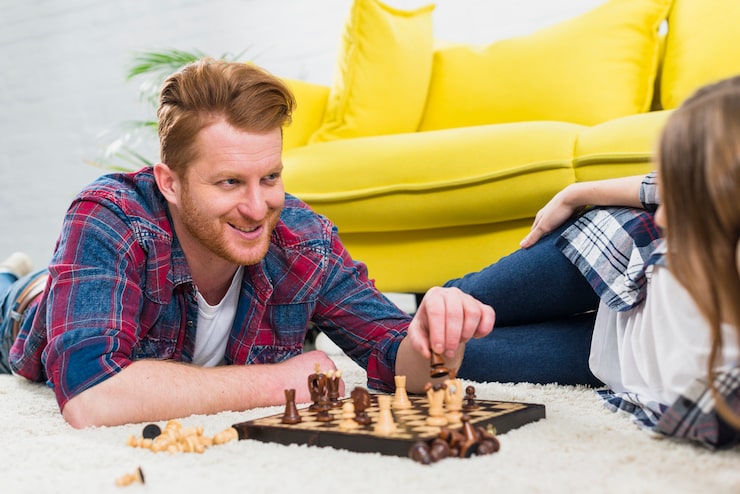
Twelve kids means six games at once, and six matching kits are easier to manage than six odd ones. When every board and piece looks the same, there’s no arguing over whose is whose, and a missing pawn shows up in seconds. That’s the teacher logic, anyway, and it holds up.
A starter box answers the first question quickly, but plenty of clubs also keep one nicer chess set on a shelf for demonstration games and parent evenings. Keep that one apart from the daily battle kits. Kids are rough on equipment, bless them.
Why Matching Sizes Saves Headaches
Boards on the site are listed in centimetres and pieces in millimetres, so a teacher can line them up on paper before spending a cent. The Rosewood Grain Tournament MDF board is 53cm and priced at $329, while the Dal Rossi walnut boards start from $109.
Hollis didn’t need anything that big for a classroom table, honestly. Smaller kids, smaller hands, shared desks. He noticed a few compact piece sets run as small as 66mm, and the page describes those as made for smaller boards. Good to know for the younger lot.
Folding, Storing and Surviving Monday Mornings
The boards section has a folding group, and for a club that packs away every week, that’s worth a look. Accessories include storage cases too, and the Dal Rossi 95mm pieces come with a storage box for $79, described as a practical, entry level Staunton option. Nothing flashy.
Then there’s the cupboard problem. One missing queen and a whole table of kids is stuck. Boxes and cases mean you can count pieces at the end of the session. It’s boring advice. It also works.
Do You Need a Clock Yet?
Not on day one, probably. But clocks arrive fast once kids get competitive, and the shop has a whole section for timers and clocks. Orders over $399 get a free DGT1001 clock, which is worth knowing if you’re buying for a bigger club in one go.
Plenty of clubs end up with a spare chess set in the cupboard for the teacher anyway, and that’s fine. The clock can wait until the kids ask for it. They will.
Budget, Sale Pricing and Paying Later
A school budget is a tight thing. Free shipping applies to every order on the page, and the Black November sale offers up to 50% off, so the maths gets friendlier. For one parent group, I’d say a single bigger order in the sale beats trickling kits in over months. A decent chess set doesn’t need to cost much for beginners.
Afterpay and Zippay are listed as payment options, which suits a parents group that wants to spread the cost. And if something’s wrong, the 100 day return window gives time to check it properly instead of rushing in the first week.
Choosing Boards That Last
Classroom boards take a beating, so surface and finish deserve a look before price. Reviews on the site mention board finish and grain, and one buyer said the pieces were comfortable to move. A clean, even finish is the sort of thing you’ll still appreciate in six months.
The wood options run from Dal Rossi walnut and mahogany to Sterling Chess sheesham and rosewood. When you compare chess boards for a club, keep one wood board for the teacher’s desk and cheaper ones for the kids. Everybody’s happy.
Little Things Teachers Mention
The one thing every club learns early is that kids love being handed something that looks real. A weighty board with a good finish makes a twelve year old sit up straighter. It’s a small effect, but it’s there.
Reviewers also wrote about neat packing and well organised orders, which helps when a box lands in the staff room and nobody wants to unpack mystery parcels. Check it, count it, label it. Done.
Conclusion
Start with matching kits, measure the tables, and pick boards that fold or store easily. Use the sale, the free shipping and the returns window to lower the risk. Then add a clock when the club asks for one. Monday doesn’t have to be chaos.
FAQs
What size chess boards suit a school club?
It depends on the desks. The site lists sizes from 43cm up to 53cm and beyond, so measure your table and match the pieces to the squares.
Is there a complete starter for beginners?
Yes. The DGT Chess Starter Box Grey is a complete tournament style starter with pieces and board, listed at $69 on the page.
Can a club get a free clock?
Orders over $399 include a free DGT1001 clock according to the page. Check the offer at checkout.
Does a club need a nicer chess set as well?
Not at all. Some teachers like one display or demonstration option, but plain starter kits do the daily work.